Advancing structural engineering through artificial intelligence
We bridge classical structural mechanics with modern machine learning to solve complex problems in steel structures, concrete, and corrosion engineering.
Research across three domains
Experimental data meets AI-driven predictive models across the mechanics of structures and materials.
AI & soft computing
Artificial neural networks, XGBoost, gene expression programming, PSO, ANFIS, and hybrid meta-heuristic optimizers applied to structural capacity prediction — our primary focus.
Supplementary cementitious materials
Recycled glass, copper slag, ceramic waste powder, and metakaolin in self-compacting concrete — fresh properties, strength, microstructure, and durability.
FRP-reinforced concrete
Shear and flexural capacity of FRP-RC beams, CFRP-confined columns, compressive strength prediction, and innovative GEP equations for design practice.
The team
A dedicated group pushing the boundaries of structural engineering and computational methods.
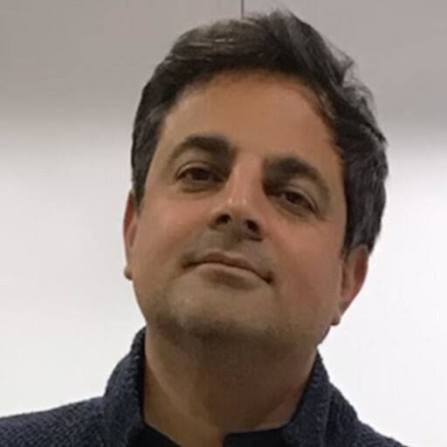
Dr. Yasser Sharifi
Professor of Structural Engineering, Vali-e-Asr University of Rafsanjan.


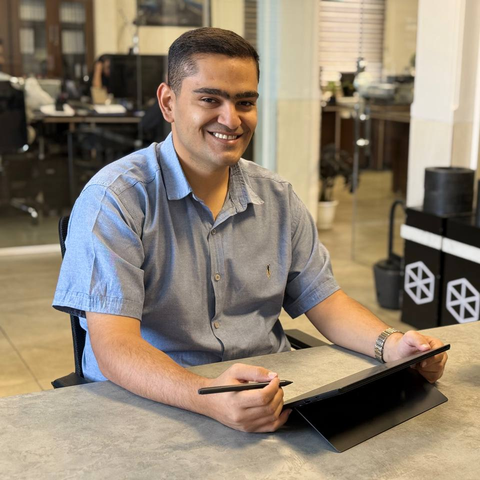
Mohammad Mahdi Karami-Pour
Structural Engineering, Vali-e-Asr University of Rafsanjan.


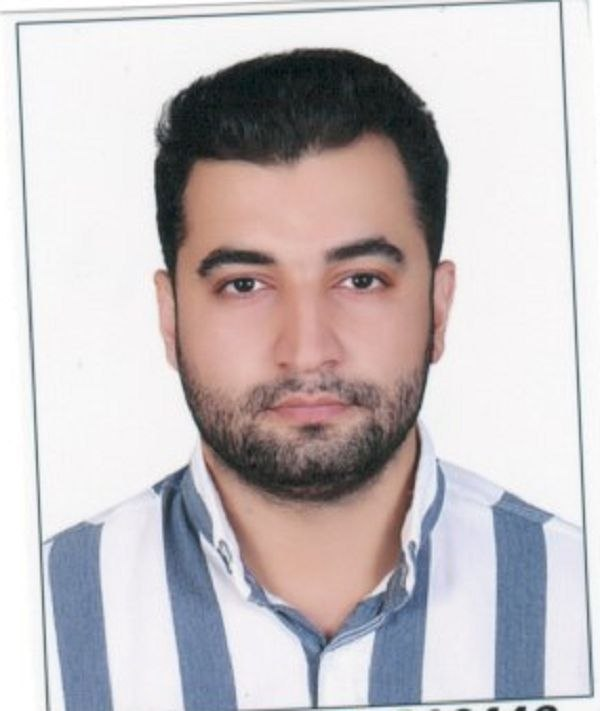
Nematullah Zafarani
Structural Engineering, Vali-e-Asr University of Rafsanjan.

Publications
Recent works (2021–2026), newest first, with citation counts from Google Scholar. Click a row to read the abstract; click a title to open the paper on Google Scholar. Full archive of 95+ works on Google Scholar.
One model, instant shear predictions
Predict the nominal shear capacity (Vₙ) of slender FRP-reinforced concrete beams with our PSO-optimized XGBoost model — trained on an experimental database of beams without stirrups.
Contact — open to collaboration
Interested in joint research, data exchange, or academic partnership in AI-driven structural assessment, FRP-reinforced concrete, or sustainable cementitious materials? Reach out to the lab's supervisor.
Department of Civil Engineering
Vali-e-Asr University of Rafsanjan
Rafsanjan, Kerman, Iran